Synopsis
After reviewing the previous videos of The DevOps Experience I realised that maybe someone who is new to DevOps when exposed to those videos may have the wrong impression that all DevOps Engineers need to be very skilful in Software Development as well. This is an attempt to clarify that that’s not really the case.
I want to zoom-out further to highlight more the typical tasks expected from a DevOps Engineer role before diving deeper into our original application.
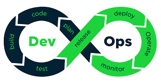
In a typical deployment of a web application the code is already available in a source repository and the DevOps Engineer has to automate a deployment pipeline (using code) so that the packaged application goes through several tests and inspection processes until it’s approved to go to production.
In the video below it’s shown a more representative web application deployed to the cloud in a simplified manner so that you can get the overall picture.
In a broader sense, the role of a DevOps Engineer encompasses various responsibilities such as implementing and managing continuous integration and continuous deployment (CI/CD) pipelines, automating manual processes, configuring and maintaining infrastructure, monitoring system performance, and ensuring the reliability and security of the overall system.
These professionals are often involved in the implementation and managing of the architecture of the application and infrastructure to ensure scalability and resilience, and collaborating with cross-functional teams to address operational challenges and improve the development workflow.
By providing this comprehensive perspective on the typical tasks of a DevOps Engineer, the aim is to offer a clearer understanding of the role’s scope and significance in the software development lifecycle.
In this part one, it’s shown how quickly you can get a local application into the cloud, specifically Google Cloud.
 The DevOps Experience
Leave a comment